
"first roast"
20000 article(s) found
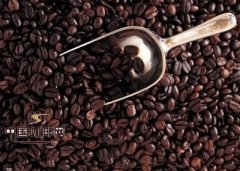
Coffee bean baking knowledge the roasting process of coffee
To put it simply, baking is the direct heating of the baking. Unlike cooking, you don't need oil, water, salt or sugar to bake. Just put the raw coffee beans in a heat-resistant container, then heat them on the fire, stir the coffee beans constantly while heating, so that each bean is heated evenly, and stop heating when we reach the degree we want.

How to judge the roasting degree of coffee? What is the coffee baking curve?
Professional coffee knowledge exchange more coffee bean information please follow the coffee workshop (Wechat official account cafe_style) 1. When studying the roasting degree of coffee beans, the degree of roasting can be judged by sound, color and aroma. Its color ranges from light gray to dark brown, the aroma is from light and elegant, and the sound is made twice. Take the heat-resistant raw bean as an example, starting at about 7 points.

A detailed explanation of the whole roasting process of fine coffee
Comparison of coffee beans at different stages of roasting [Photo Source: Fang Jiangang] have you prepared raw beans and decided to roast coffee beans with exclusive flavor? If not, you might as well use your imagination to follow me on this fragrant baking trip. To put it simply, baking is heating the baking directly. Unlike cooking, you don't need oil or water to bake.

Boutique coffee roasting general knowledge coffee bean roasting stage
Light baking is rarely used and is generally used only for testing. Cinnamon roasting is widely used in some canned coffee. Deep roasting is a process in which coffee goes to a dead end and is gradually carbonized. Degree description stage description stage description special point description flavor and appearance description refers to baking until the end of the first burst. Light baking
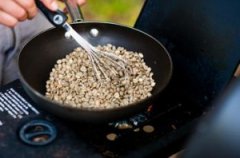
Roasting principle of boutique coffee
To put it simply, baking is heating the baking directly. Unlike cooking, you don't need oil, water, salt or sugar to bake. Just put the raw coffee beans in a heat-resistant container, then heat them on the fire, stir the coffee beans constantly while heating, so that each bean is heated evenly, and then stop heating when we reach the desired level.
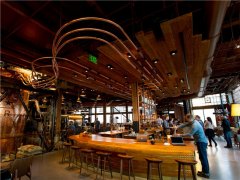
Starbucks' first Reserve roaster is near Seattle's Capitol Hill.
On December 5, Starbucks opened its first Reserve roasting experience near Capitol Hill in Seattle. Here, customers can see the whole process of the original coffee beans from unpacking, roasting to making coffee. Starbucks no longer wants customers to come and leave in a hurry to buy a cup of coffee. Starbucks' first Zhenxuan coffee roasting experience, picture from USA TODAY Coffee

Introduction to the roasting degree of Yejiaxuefei Coffee Coffee the difference of taste and flavor between light roasted and deep roasted coffee
Professional coffee knowledge exchange more coffee bean information please follow the coffee workshop (Wechat official account cafe_style) the explosion? Second explosion? Shallow baking? Medium baking? Medium and deep baking? Do these nouns make you big for the first two? How should the coffee be roasted? [deep baking] first of all, let's figure out how to zone.

What is coffee roasting? What are the terms related to one explosion and two explosions?
Professional coffee knowledge exchange more coffee bean information Please pay attention to the coffee workshop (Wechat official account cafe_style) fresh coffee raw beans are emerald green, raw beans must be roasted, ground into powder, and then brewed before they become coffee in our cups. Unbaked raw beans smell only a little grassy and slightly fruity, but almost tasteless. About coffee baking

Coffee deep roasting and light roasting coffee roasting
Deep roasting and light roasting is simple, coffee beans are called deep roasting after the second burst, and before the first explosion is dense to the second burst, it is called light roasting to medium-deep roasting, and the color is closer to black with the deeper the roasting. First of all, let's talk about deep roasting. When it comes to deep roasting, be sure to talk about the legendary figure of the coffee industry-Alfred Peet. Mr. Pitt devoted himself to promoting heavy baking in the 1960s
Changes of coffee beans in different stages of roasting
Abstract: through the burning of the fire, coffee beans release the aroma of coffee, sprinkling out the personality of each fruit-sour, sweet and bitter. Through the burning of the fire, coffee beans release the aroma of coffee, sprinkling out the personality of each fruit-sour, sweet and bitter. From tasteless raw beans to no aftertaste in the cup

Introduction to the quality characteristics of coffee roasting flavor description treatment in producing areas
Coffee roasting depth meter roasting depth appearance baking stage very light roasting LIGHT light brown first explosion end, about 205degrees light baking CINNAMON yellowish brown before and after the first explosion, 19500degrees medium baking / micro medium baking MEDIUM brown about 205to 215degrees medium roasting / city roasting CITY reddish brown about 215 to 225degrees deep city baking FULLCITY dark brown * points

Should coffee beans be roasted or mixed first?
Bake before matching, or match before baking? This has always been a topic of debate between bakers and assemblers. As with wine, blending before baking can make the aroma and quality more uniform, but the decline of roasting must be taken into account, as coffee from different places requires different baking time and temperature. If you have a definite formula, you can put different coffee beans together first.
The roasting process of boutique coffee
To put it simply, baking is the direct heating of the baking. Unlike cooking, you don't need oil, water, salt or sugar to bake. Just put the raw coffee beans in a heat-resistant container, then heat them on the fire, stir the coffee beans constantly while heating, so that each bean is heated evenly, and stop heating when we reach the degree we want.

Starbucks' first overseas coffee roasting workshop and Zhenxuan restaurant settled in Shanghai in 2017.
At this Starbucks coffee roasting workshop and selection restaurant in Shanghai, customers will experience the art of coffee roasting, production and cooking at zero distance, and taste Starbucks selected coffee. This unique Starbucks coffee roaster, which integrates coffee roasting, production, education and retail, has received strong support from the government of Jing'an District, Shanghai. Before that,

How can roasted coffee make it sweet? How to make Katim sweet? How to learn baking
Sweetness is one of the most popular characteristics of a good cup of coffee. In fact, almost all roasting and brewing techniques are also in pursuit of sweetness, whether you like light roasted coffee with bright and sour quality, or medium-and deep-roasted coffee with rich taste, the development and emphasis on sweetness is the key to forming a cup of pleasant and well-balanced coffee. And this is also examined by decaf coffee, although it has to be baked.

The explanation of Coffee Common sense about the degree of Coffee Baking
First, when studying the roasting degree of coffee beans, the degree of roasting can be judged by sound, color and aroma. Its color ranges from light gray to dark brown, and its aroma is gradually rich from light and elegant; the sound is made two times of bursting sound. Taking the heat-resistant raw bean as an example, the first explosion begins at about 7 minutes and lasts for about 2 minutes, and its voice is low. It indicates the beginning of pyrolysis, the conversion of starch to caramel and water steaming.
The roasting process of boutique coffee
To put it simply, baking is the direct heating of the baking. Unlike cooking, you don't need oil, water, salt or sugar to bake. Just put the raw coffee beans in a heat-resistant container, then heat them on the fire, stir the coffee beans constantly while heating, so that each bean is heated evenly, and stop heating when we reach the degree we want.
Coffee roasting Yega Xuefei roasting record
Yega snow coffee: turn the cage on the oven, preheat it at 170 degrees for 2 minutes, serve the coffee beans. Bake at 170 degrees for 2 minutes to 250 degrees. After about 11 minutes, hear the first explosion for more than ten seconds and quickly take it out and rotate to the cooling plate to cool down. Coffee beans are slightly deeper than the standard medium roasting, and the actual roasting degree must be below medium. A lot of silver skins are still glued to the coffee beans, indicating that they are not roasted enough.

Operation Technology of Italian Coffee: detailed introduction of Espresso blending Bean production Technology
Generally speaking, large coffee beans can produce better coffee. In the case that the quality of coffee beans has been fully assured, the first technical problem to be solved is blending. Blending refers to the selection of coffee beans of different origin and quality to achieve the desired results. The matching technology school believes that 50% of the success factors of a perfect Espresso depend on the composition and quality of the match. There is no one
Espresso production: blending
"Blending" refers to the selection of coffee beans of different origins and qualities to achieve the desired result.